
michael joseph’s Biography
Photographer Michael Joseph
Step into his story and visual world
Michael Joseph, based in London, is particularly known for creating the famous Beggars Banquet images for the Rolling Stones in 1968. However, his work goes far beyond this iconic collaboration. The photographer has also distinguished himself in reportage, advertising photography, and fashion, developing a rich and recognizable visual universe.
These photographs, now considered emblematic in the history of rock photography, stand out for their baroque, theatrical, and highly detailed staging.
His work evokes both classical painting and theatre, as well as the grand compositions of the Victorian era. This ability to construct rich, narrative, and visually spectacular images made him an important figure in advertising, editorial, and music photography from the 1960s onward.
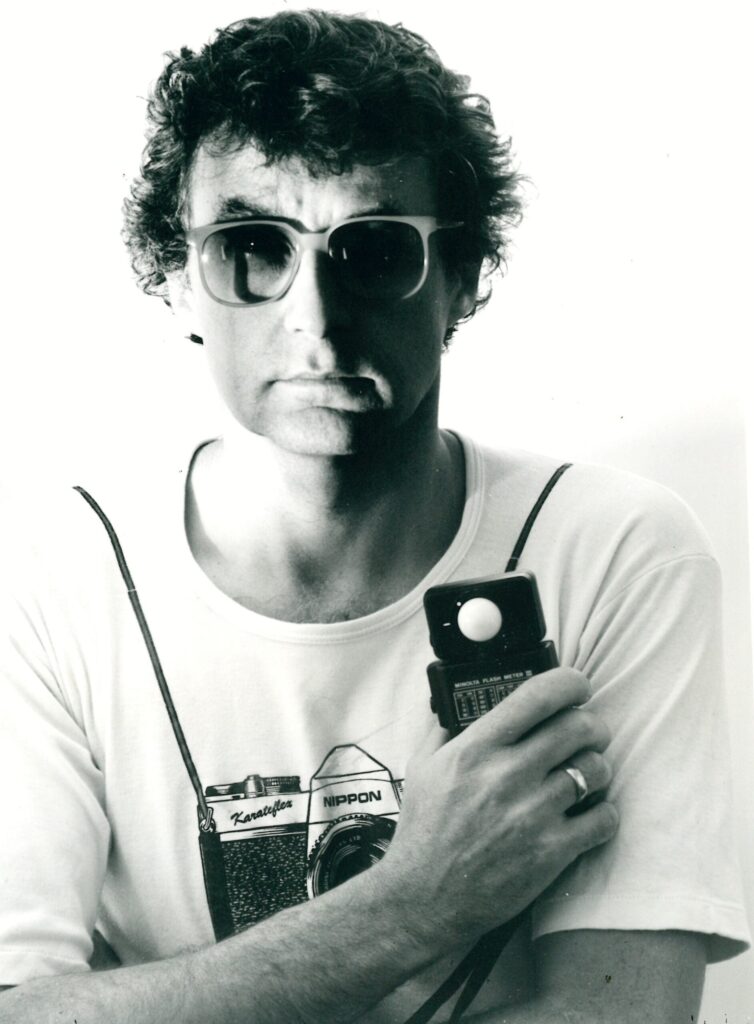
Michael Joseph: Biography of a Renowned Photographer
His Entry into the World of Photography
Michael Joseph was born in 1941 in Kimberley, the capital of the Northern Cape province in South Africa.
He grew up in an environment deeply shaped by political commitment: his father was strongly involved in anti-apartheid activities, particularly in fundraising and initiatives supporting movements opposed to the regime.
This close proximity to activist circles exposed Michael Joseph at an early age to the political and social realities of his time. This period helped shape his critical perspective and his interest in social documentary photography.
In the early 1960s, he left South Africa to settle in the United Kingdom. In London, he began studying at the London College of Printing and Graphic Arts. This education provided the technical and artistic foundation for his future career as a photographer.
Michael Joseph and War Photography
Photographer and Witness of the Vietnam War
During his studies in London in the 1960s, Michael Joseph had a defining experience: he was sent to Vietnam to photograph the war.
This stay became a pivotal moment in his professional journey. Confronted with the reality of the conflict and extreme situations, he developed a powerful documentary perspective as well as a remarkable ability to work under difficult conditions.
This experience also strengthened his sense of observation and visual storytelling.
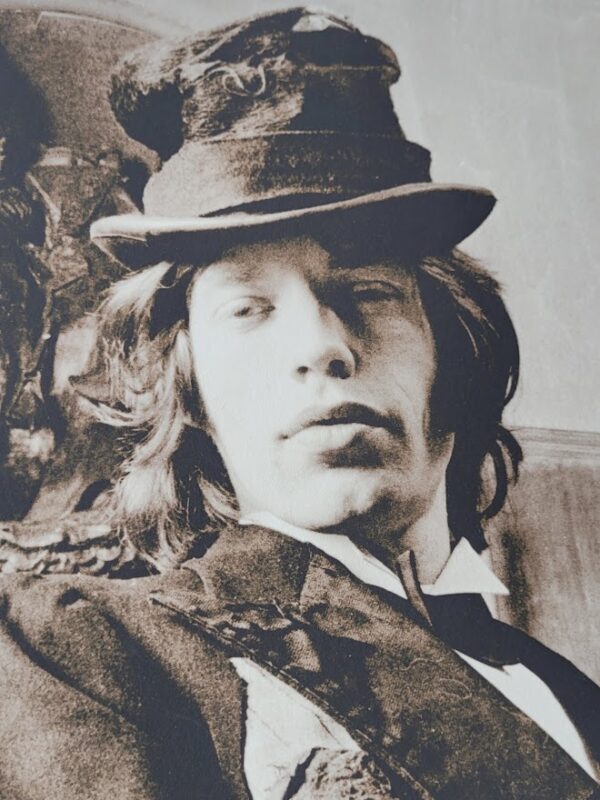
The Rolling Stones Photographer
The Meeting Between Mick Jagger and Michael Joseph
In 1968, Michael Joseph was chosen to photograph the Rolling Stones for the release of their new album Beggars Banquet.
This choice was partly due to his already strong reputation in London. At the time, Michael Joseph was considered one of the few photographers capable of managing the complex logistics involved in working with animals on set while orchestrating large-scale scenes.
To convince the band, he showed them a carefully staged office photograph that demonstrated his elaborate approach to composition. The image immediately appealed to Mick Jagger, who decided to collaborate with him.
By that time, Michael Joseph had already established himself as a recognized figure in advertising and fashion photography. His work created a bridge between the pop and rock culture of the late 1960s and the luxurious, sophisticated imagery of international advertising.
Upon returning to London, the images he created during this period quickly attracted attention. The quality of his photographs led to numerous commissions in advertising and fashion photography.
Michael Joseph then began to build a reputation within the London photographic scene. Gradually, he became one of the most sought-after photographers in the British capital, particularly for campaigns requiring complex staging and a cinematic approach to image construction.
How Did Michael Joseph Showcase the Rolling Stones in His Photographs
These Iconic Photo Sessions
To highlight these world-famous artists, Michael Joseph drew inspiration from Victorian painting when designing his visual stagings and photographing the band.
In June 1968, Michael Joseph spent two days with the Rolling Stones to produce a series of photographs intended for the cover of the album Beggars Banquet.
The sessions took place mainly at Sarum Chase, the former residence of Victorian painter Frank Owen Salisbury in Hampstead, as well as at the Swarkestone Hall Pavilion in Derbyshire.
For this shoot, Joseph imagined a spectacular scene inspired by Victorian painting and aristocratic imagery. The Rolling Stones appear in a decadent banquet setting, surrounded by food, extravagant objects, extras, and sometimes animals.
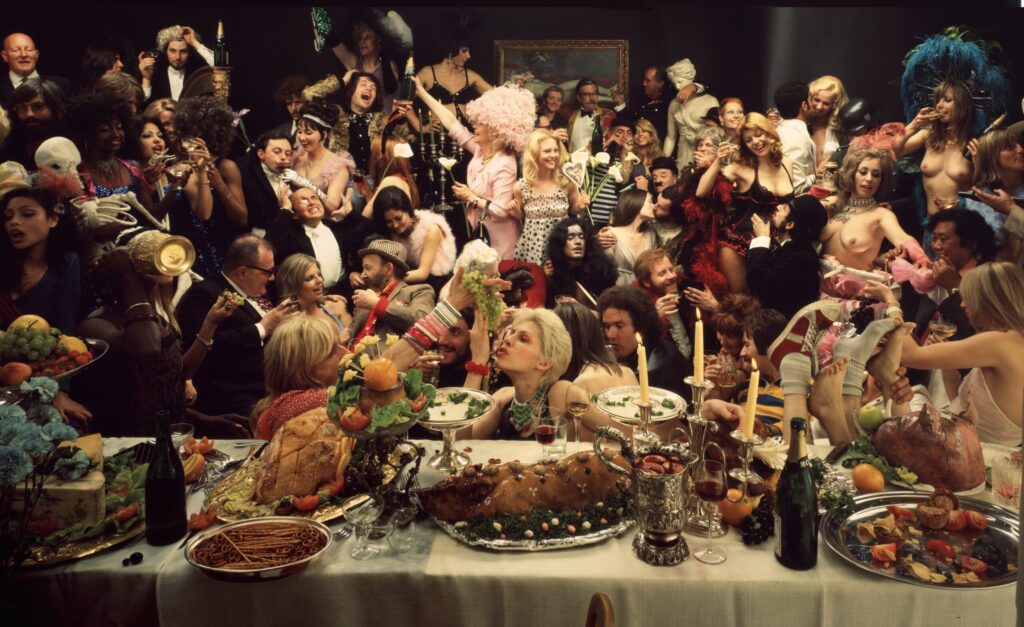
The result creates an atmosphere that is deliberately chaotic, provocative, and theatrical.
Today, these images are considered iconic in the history of rock photography and Rolling Stones imagery.
Michael Joseph’s photographs perfectly capture the spirit of 1968, the year of Sympathy for the Devil. They were later rediscovered and widely celebrated through exhibitions, reissues, and portfolios dedicated to the Rolling Stones.
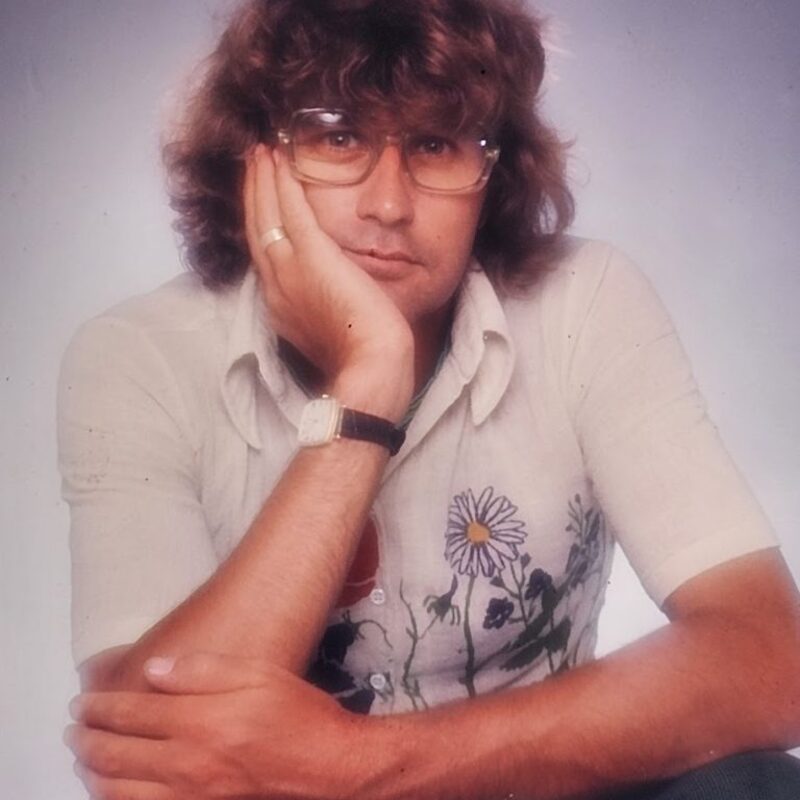
Advertising and editorial photography
Beyond his work with the Rolling Stones, Michael Joseph developed a significant career in advertising and fashion photography, particularly between the 1960s and 1980s.
His sense of staging, his mastery of complex compositions, and his ability to tell a visual story made him a highly sought-after photographer by major brands.
For this reason, he is often described as one of the iconic advertising photographers of that period.
Alongside these commercial commissions, Michael Joseph also produced portraits and more documentary-style images. His work thus creates a distinctive link between reportage, editorial photography, fashion, and commissioned photography.
In the 1990s, travel writer David Saunders invited him to take part in the creation of a photography manual. The book includes nearly 600 images from his work.
According to the same source, Michael Joseph then contributed to an illustrated edition of The Hitchhiker’s Guide to the Galaxy, for which he provided the cover image. This contribution reflects the recognition of his style among a broader cultural audience.
Michael Joseph and His Success in the 2000s
From the 2000s onward, Michael Joseph’s work experienced a significant resurgence of interest, particularly around the photographs created for Beggars Banquet.
His 1968 images are regularly presented in exhibitions dedicated to the Rolling Stones and to rock photography, helping to rediscover and highlight the photographer’s distinctive style.
Galleries and institutions emphasize his large-scale baroque stagings, which have become emblematic of the visual culture of the late 1960s. These exhibitions also underline his ability to capture the psychedelic and turbulent atmosphere of the era.
Even today, his work is recognized for its unique blend of visual storytelling, advertising photography, and rock imagery, continuing to establish Michael Joseph as one of the notable photographers in contemporary photographic history.